
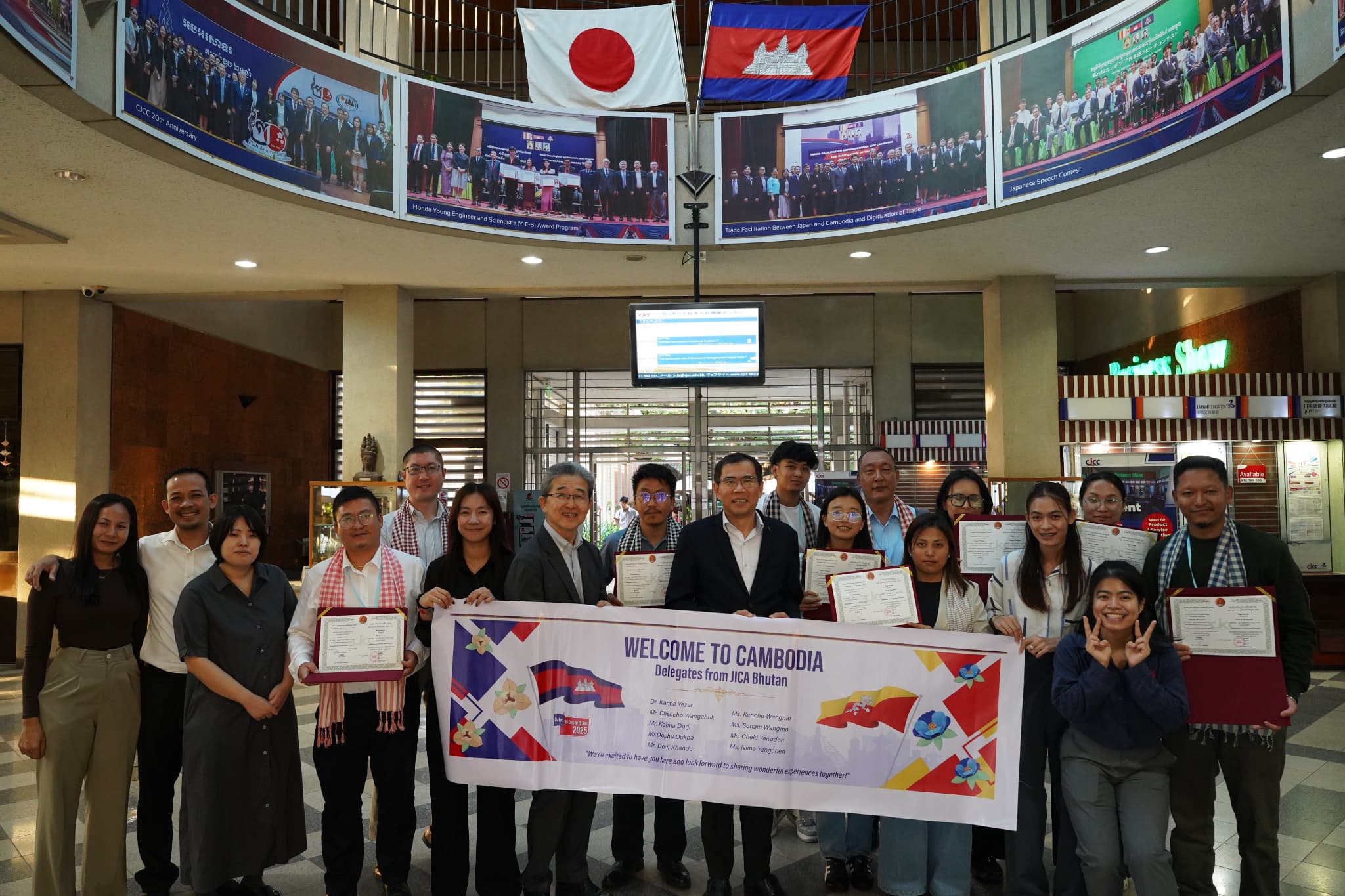
Cambodia-Japan Cooperation Center (CJCC) conducted a KAIZEN training program titled “Management KAIZEN: Principles and Practices” from 15 to 19 December 2025, as part of a JICA-supported initiative aimed at improving productivity and promoting reform in Bhutanese state-owned enterprises (SOEs). The five-day program welcomed nine participants from Bhutan, including representatives from government institutions, state-owned enterprises, and educational organizations. The training was designed to strengthen productivity while also nurturing human resources who can lead continuous improvement within their organizations.
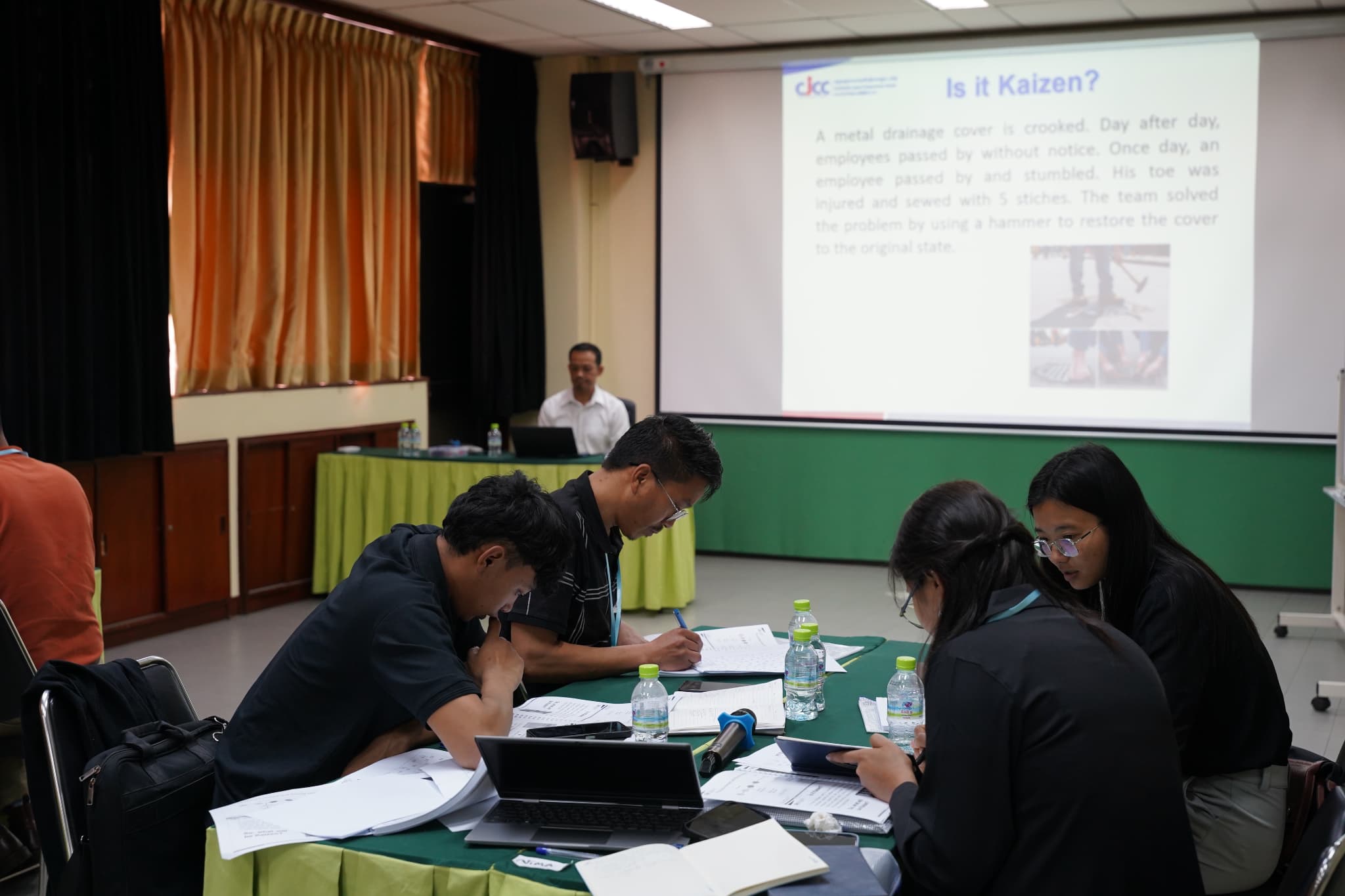
Following the success of the first program, CJCC was requested once again by the Bhutanese side to conduct this KAIZEN training.
Through lectures and interactive workshops, participants explored the core principles of KAIZEN, a Japanese management philosophy widely respected around the world. Rather than focusing only on theory, the program emphasized how KAIZEN can be practiced in real workplaces and sustained over time. To deepen this understanding, participants visited two Cambodian companies that have successfully adopted KAIZEN.
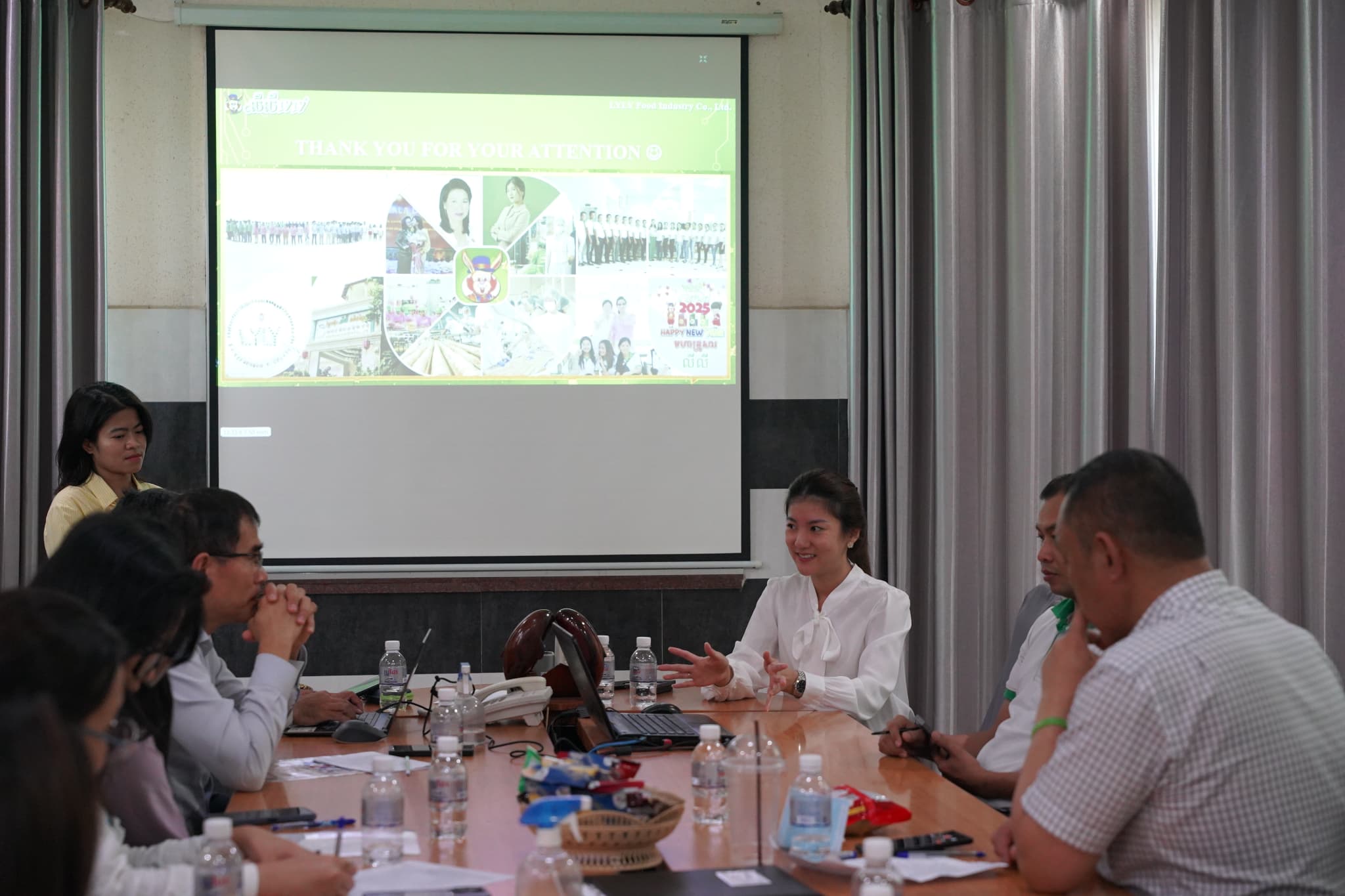
During the first company visit, participants visited Ly Ly Food Industry, a Cambodian food manufacturing company. By observing the production floor, they saw how 5S and KAIZEN are practiced in daily operations, and how small, continuous improvements contribute to greater efficiency, safety, and productivity. Many participants noted that these everyday practices felt practical and achievable, offering ideas that could be adapted to their own organizations in Bhutan.
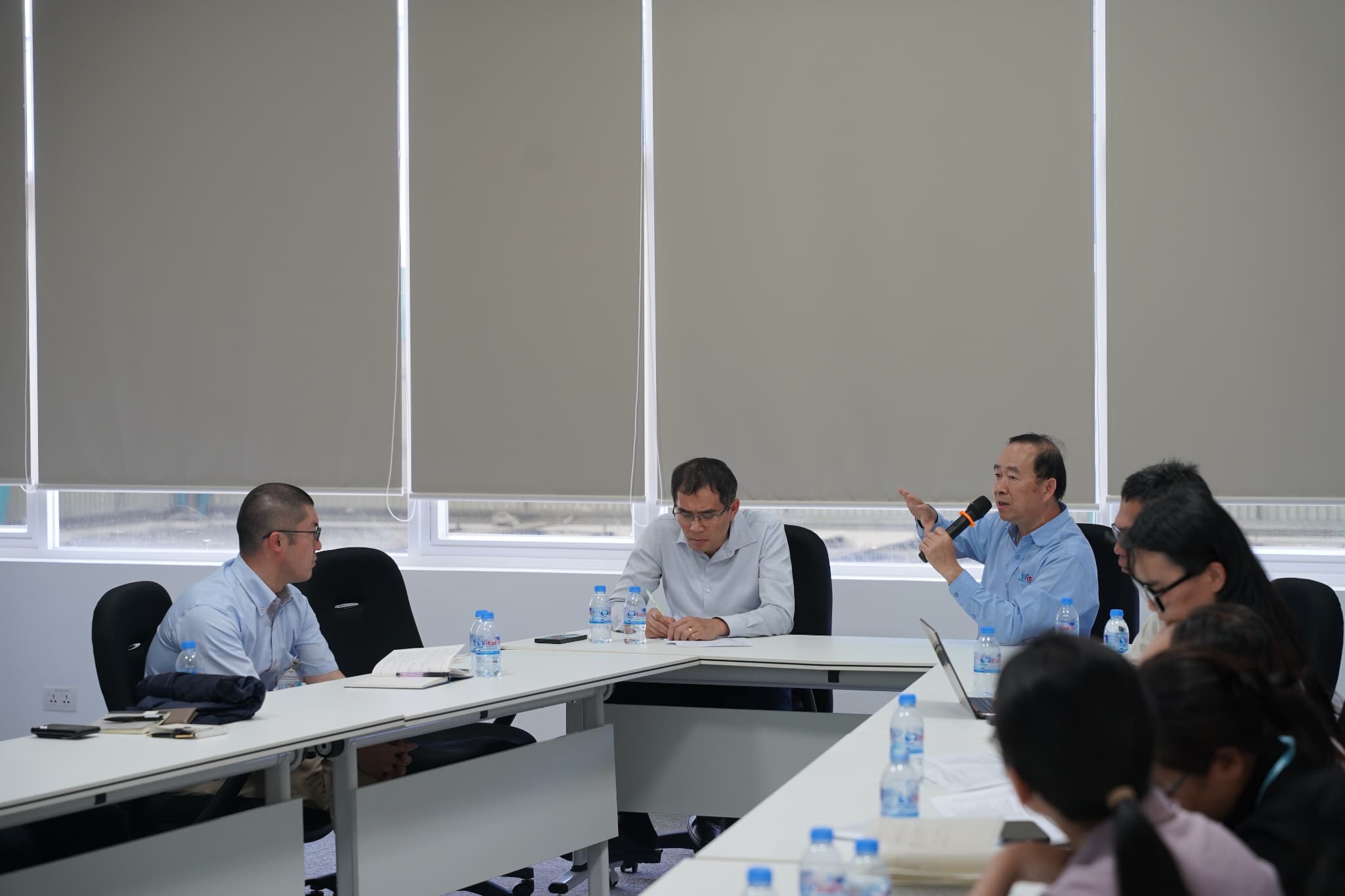
The second visit took place at N.V.C Corporation, a major beverage manufacturer in Cambodia. Participants observed how KAIZEN has become part of the company’s daily routine, with employees actively involved in improvement activities. The use of digital systems to monitor improvement processes, along with management’s efforts to motivate and recognize staff, demonstrated how a KAIZEN culture can be sustained through people-focused leadership.
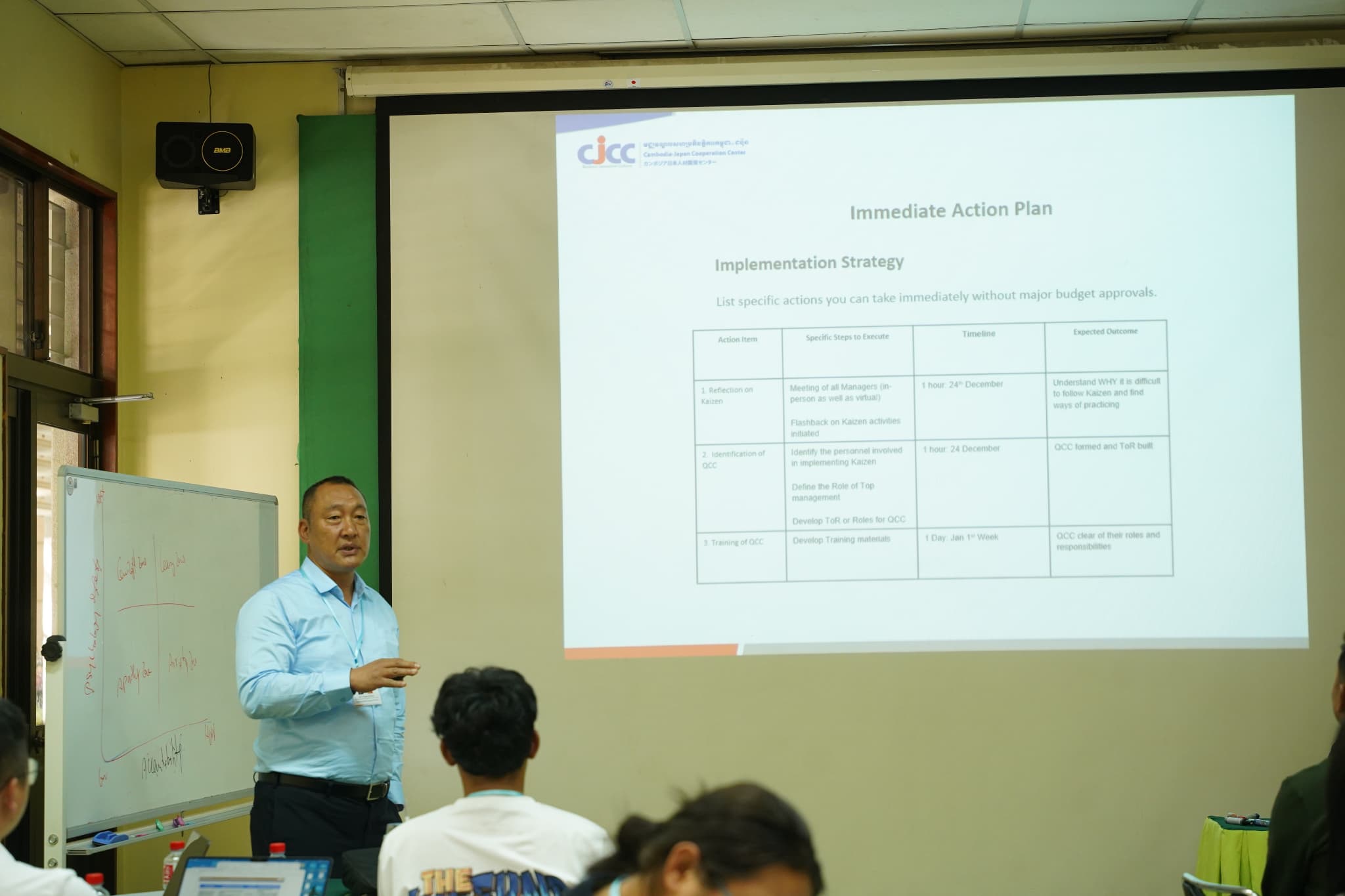
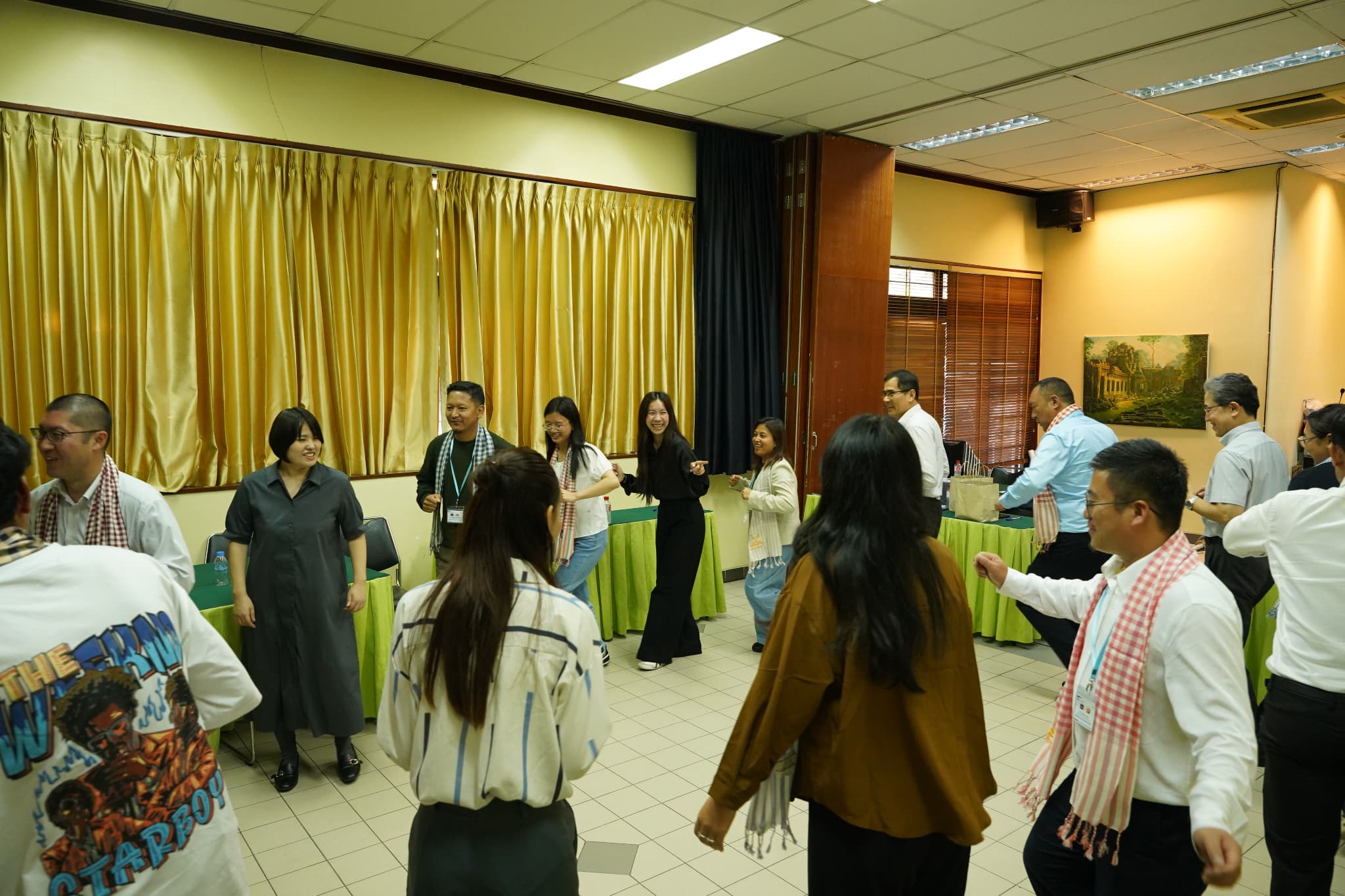
Through these experiences, participants came to realize that KAIZEN is not simply a set of techniques, but a long-term approach that grows through people, shared values, and organizational culture. On the final day, each participant presented an action plan, clearly expressing how they hope to apply what they learned to their own workplaces in Bhutan.
Throughout the training, lively discussions and group work created a strong sense of shared purpose among participants. Experiencing how Japanese management practices have been adapted and practiced in Cambodia—a third-country context—gave participants confidence and inspiration as they consider the future of SOE reform in Bhutan.
CJCC also offers customized business training programs tailored to the specific needs of organizations. Training content and delivery methods can be flexibly designed, with programs conducted by CJCC staff as well as Cambodian and Japanese experts, both online and in person.
CJCC will continue to support the growth of organizations across Cambodia and Asia through KAIZEN and other Japanese management approaches.For more information, please feel free to contact us.


